Raynaud's phenomenon
Fingers that turn white or blue in the cold.
Raynaud's phenomenon: what it is
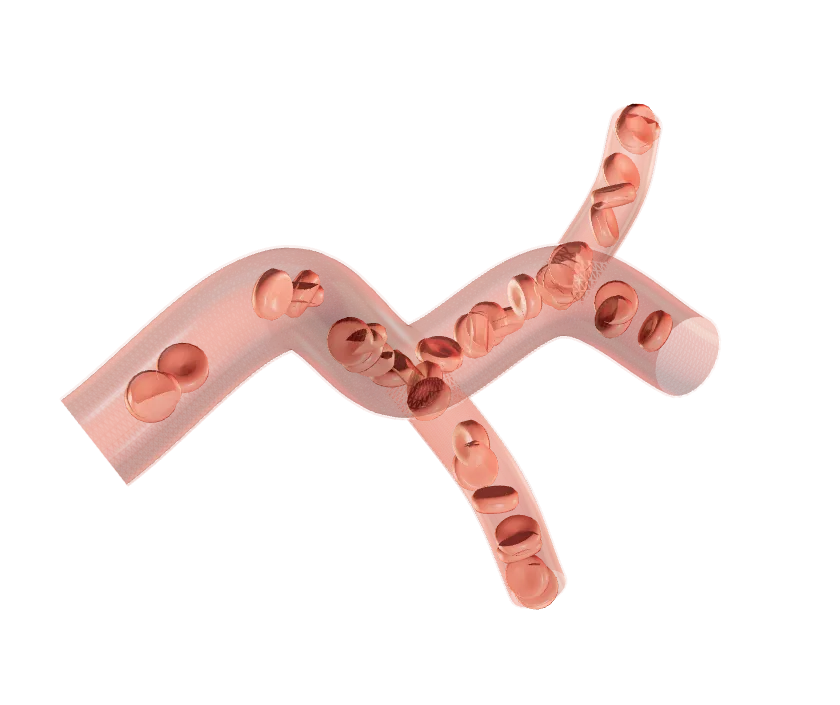
Raynaud's phenomenon happens when the small blood vessels in the fingers and toes tighten too much in response to cold or stress. The fingers turn white, then blue, then red as the blood flow returns.
In most people it is mild and has no underlying disease (primary Raynaud's). In some it is a sign of a connected condition such as scleroderma or lupus (secondary Raynaud's), so a check is worthwhile, especially if it starts later in life.
Raynaud's phenomenon: common signs
- Fingers or toes turning white, then blue, then red in the cold
- Numbness, tingling or pain during an attack, and throbbing as the colour returns
- Attacks brought on by cold, cold water or stress
- Fingertip ulcers, swollen fingers or tight skin, which suggest a connected condition
Raynaud's phenomenon: how a rheumatologist helps
Telling primary from secondary Raynaud's using your history, a look at the nail folds and blood tests such as ANA.
Advice on keeping warm, avoiding smoking and avoiding some medicines that tighten blood vessels.
Medicines for severe cases, and protection of the fingertips when ulcers appear.
- A fingertip that turns dark or black, or a painful ulcer that does not heal
- Attacks that start after the age of 40, or affect only one hand
In an emergency call 1122 or go to the nearest emergency department.
Related conditions
Plan your visit
See what to bring to your first visit, then choose a clinic consultation in Rawalpindi or a video consultation.
This page is general information for awareness. It is not a diagnosis or treatment advice.