Vasculitis
Inflammation of the blood vessels, which can affect many organs.
Vasculitis: what it is
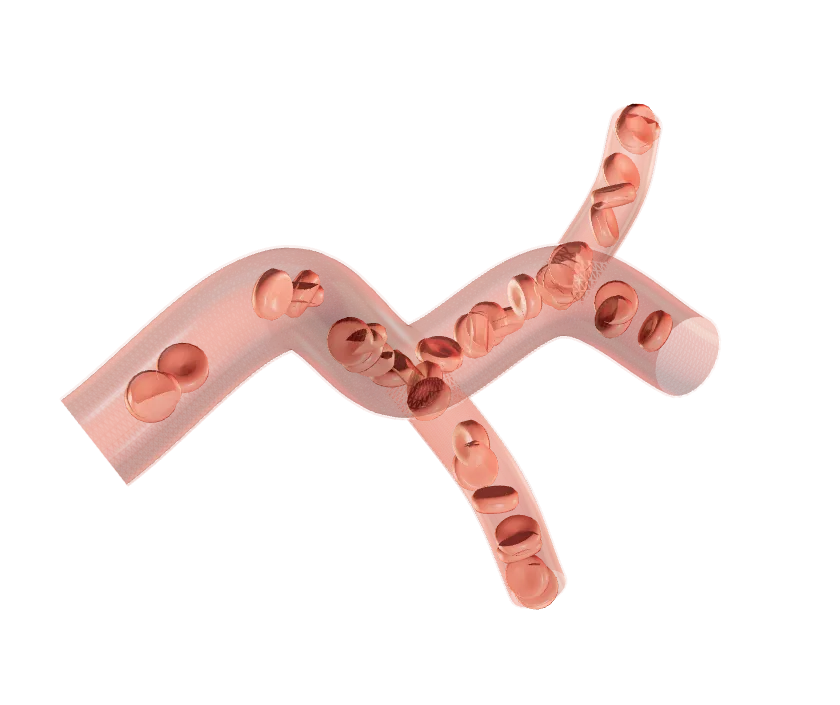
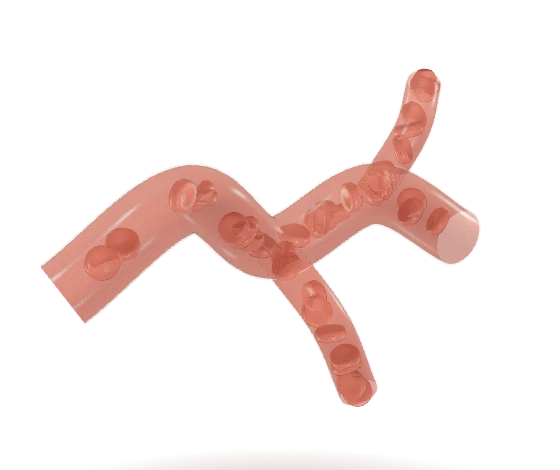
Vasculitis means inflammation of the blood vessels. Inflamed vessels can narrow, weaken or block, which reduces blood flow to the organs they supply.
There are many types. Some affect small vessels in the skin, nerves, lungs or kidneys. Others affect large vessels, such as those of the head and neck. Vasculitis is uncommon and needs a careful, step-by-step assessment.
Vasculitis: common signs
- Fever, tiredness, weight loss and aches that last for weeks
- Purple or red spots or sores on the skin, especially on the legs
- Numbness, tingling or weakness in the hands or feet
- Persistent nosebleeds, a blocked nose or sinus problems
- Cough, breathlessness or blood in the sputum
- Blood in the urine or swelling of the legs
- Red, painful eyes
Vasculitis: how a rheumatologist helps
Finding the type of vasculitis and which organs are involved, using examination, blood and urine tests, scans and sometimes a biopsy.
Starting treatment to control inflammation quickly, then continuing a plan that keeps the disease quiet and protects the organs.
Careful monitoring for side effects of treatment and for a relapse.
- Sudden loss of vision, even in one eye
- A new severe headache with scalp tenderness or jaw pain when chewing, especially after the age of 50
- Coughing up blood or sudden breathlessness
- Blood in the urine, or passing very little urine
- Sudden weakness or numbness of a limb
In an emergency call 1122 or go to the nearest emergency department.
Related conditions
Plan your visit
See what to bring to your first visit, then choose a clinic consultation in Rawalpindi or a video consultation.
This page is general information for awareness. It is not a diagnosis or treatment advice.